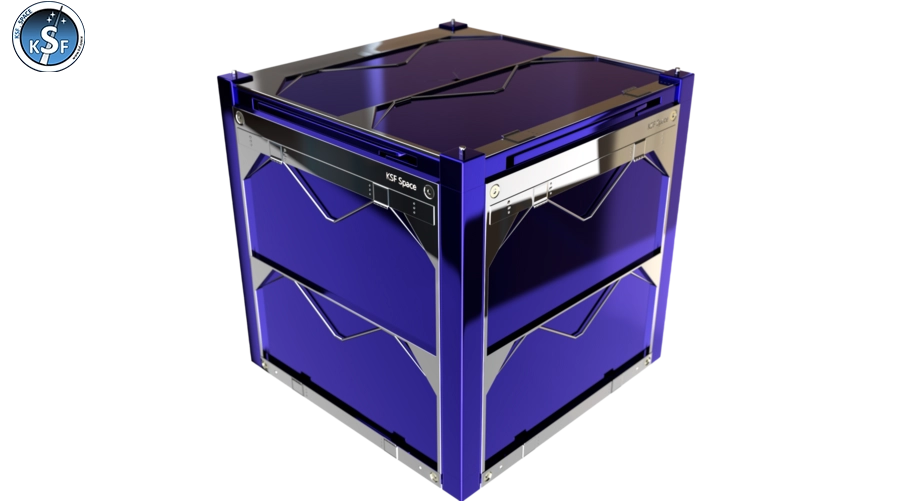
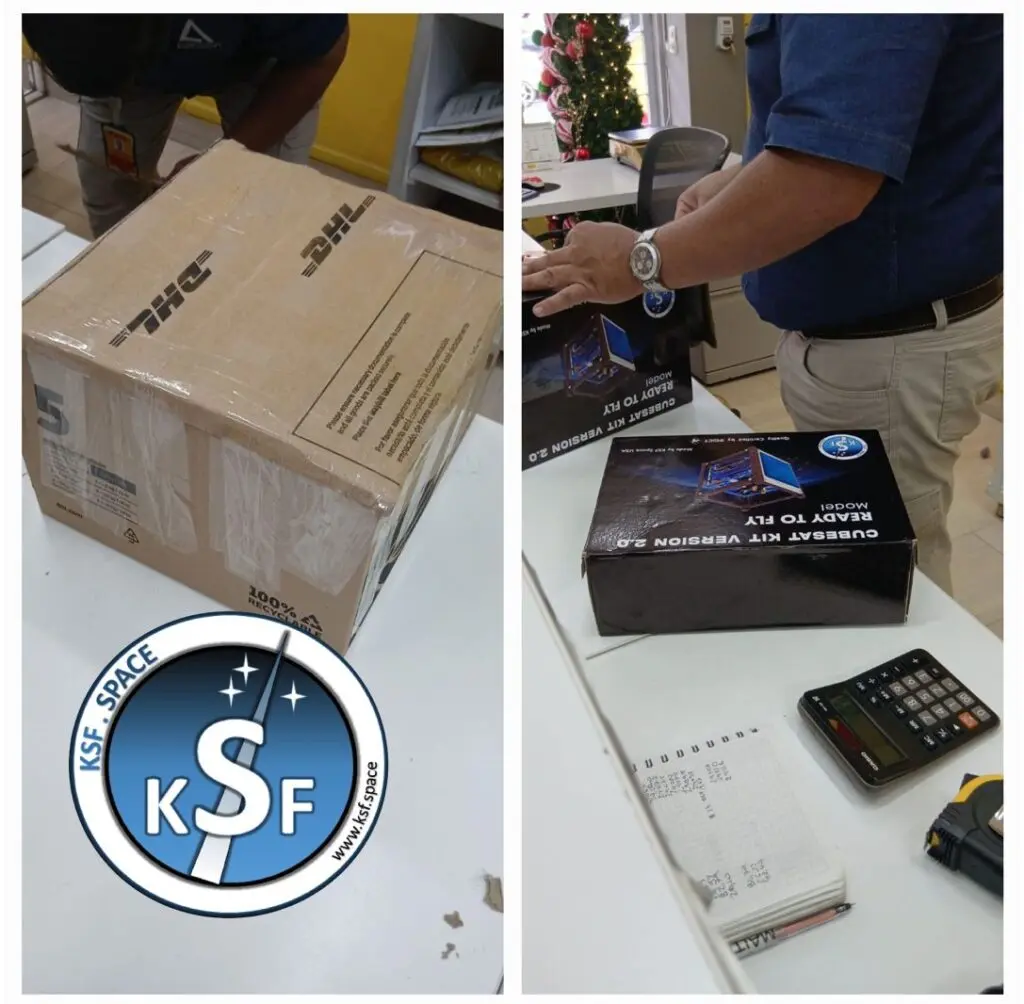
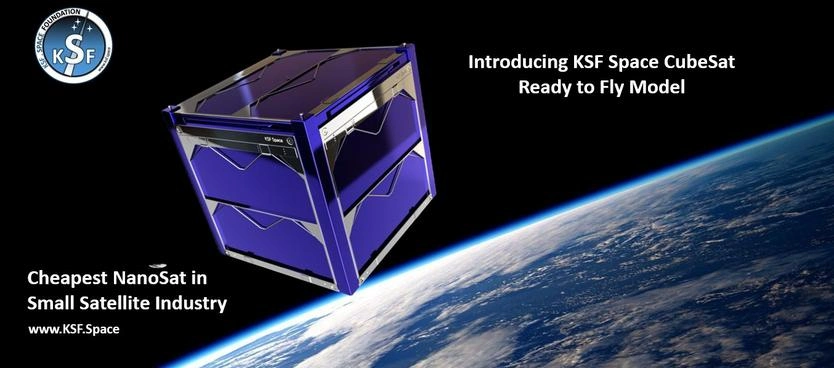
1. What is the KSF Space Nanosatellite Kit V2.0?
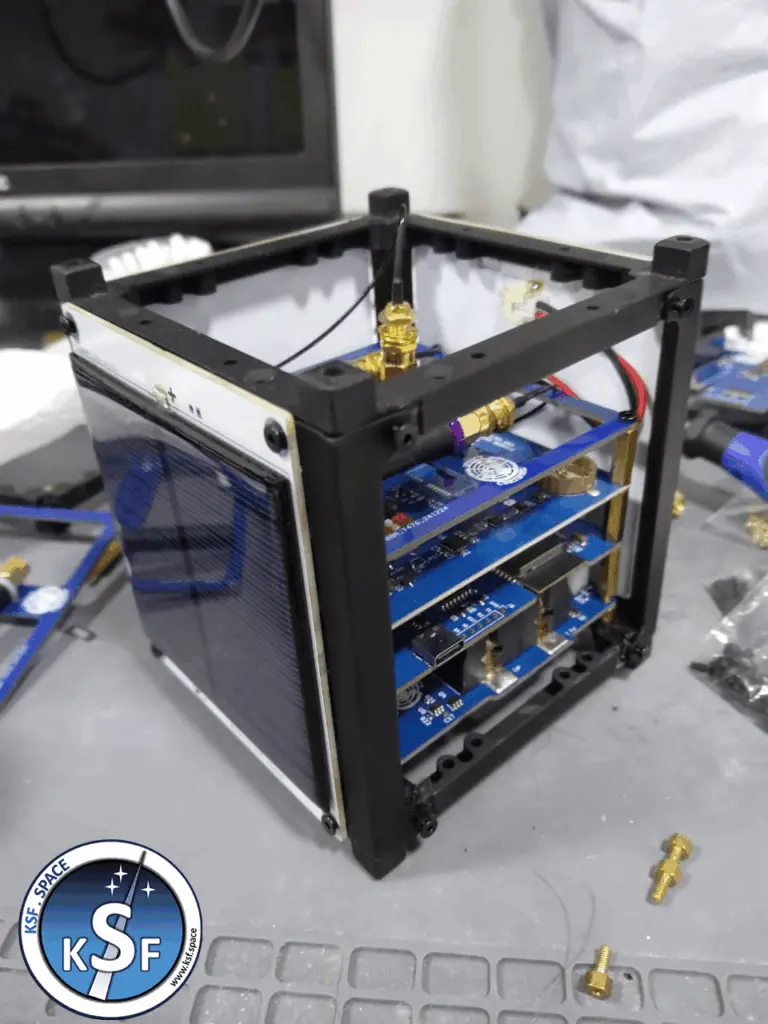
The KSF Space Nanosatellite Kit V2.0 is a comprehensive, quality-tested educational and research platform. It includes all the critical subsystems required to construct, program, and simulate a fully operational small satellite.
Instead of sourcing fragmented components from separate vendors which creates massive integration risks this kit delivers a unified ecosystem. Every printed circuit board (PCB) and structural frame is built to align seamlessly, ensuring that students and researchers spend less time troubleshooting basic connections and more time focusing on mission objectives.
Key Technical Subsystems Included
To simulate an authentic aerospace workflow, the V2.0 kit features complete hardware representations of standard spacecraft architecture:
On-Board Computer (OBC): The central brain of the satellite, managing data processing, task scheduling, and system health.
Attitude Determination and Control System (ADCS): Essential sensors and software models to understand how a satellite tracks its orientation in space.
Power Management and Distribution (PMAD): Simulates solar power collection, battery storage management, and safe voltage regulation across components.
Communication Subsystem: Radio frequency (RF) testing hardware to mimic real-world telemetry (data transmission) between the spacecraft and a ground station.
2. A Paradigm Shift in Academic Funding and Sustainability
What is the most sustainable way for a university to run a satellite program? Historically, professors had to secure large, highly competitive federal or private research grants to fund a single hardware build. This dynamic creates a high-pressure environment where mistakes are costly, heavily limiting direct student leadership.
The KSF Space architecture shifts this dynamic entirely by focusing on recurring teaching funds.
Shifting from Research Grants to Teaching Funds
Because the KSF Space Nanosatellite Kit V2.0 enters the market at an accessible price point, an aerospace or engineering department can fund a satellite program directly out of their yearly instructional budgets.
3. Global Industry Validation and Certifications
When dealing with low-cost hardware, quality is often a major concern. KSF Space addresses this by securing top-tier global technical credentials.
IFGICT Certified Quality
The KSF Space Nanosatellite Kit Version 2.0 is fully quality-tested and certified by the International Federation of Global Information and Communication Technology (IFGICT). As the world's largest ICT federation, an IFGICT certification provides non-negotiable assurance that the kit’s electronics, build standards, and educational modules meet strict international benchmarks.
Renowned Media Spotlights
The breakthrough pricing and structural reliability of the V2.0 kit have caught the attention of leading global aerospace publications. The kit has been prominently featured on:
Satnews Magazine
Satellite Evolution
Both publications highlight KSF Space’s mission to drive global accessibility to space technology, recognizing the V2.0 kit as one of the world’s most economical, complete solutions for small satellite development.
4. Real-World Applications: From Classroom to Orbit
While the kit serves as an ideal training platform, the design concepts, data structures, and subsystems directly mirror those deployed in full-scale commercial and humanitarian missions.
5. How to Start Your Space Program